
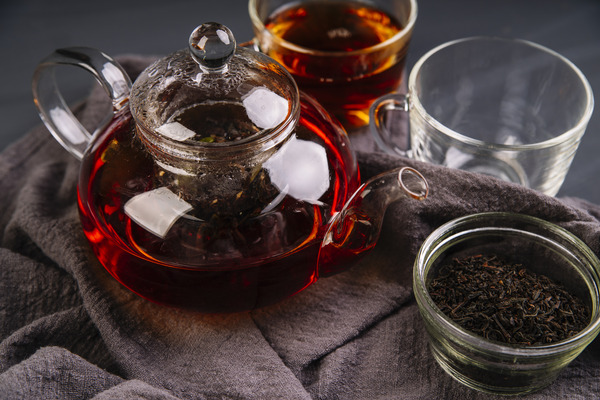
Water serves as a crucial ingredient in tea-making, and it has been widely acknowledged through the ages. In the 8th century, an eminent Chinese philosopher, Lu Yu of the Tang dynasty, stated in his work entitled “Cha Jing” (Classic of Tea) that “Water for tea should be drawn from the very middle section of a spate mountain stream.” He believed that the same water used to nourish tea plants created the most harmonious brew.
As a result, we seldom see unspoiled mountain springs in the modern world. Tap, filtered or bottled water can be used instead. So, how does one adapt? Follow simple tips and step up your tea game to get that perfect cup every time.
1. Get the Temperature Right
Every type of tea demands its water temperature. Ignoring this can lead to a poor brew that doesn’t do justice to the tea leaves.
- Green and White Teas: These delicate teas need a gentler touch. Water that’s too hot can burn the leaves, leading to a bitter taste. Aim for 80-85°C.
- Oolong Teas: Slightly sturdier than green tea, oolong benefits from water heated to 85–90°C.
- Herbal Teas: Herbal brews made from flowers and leaves also need delicate handling. The bark and root-based ones take a higher level of heat.
2.Always Use Fresh Water
One common mistake is re-boiling water in the kettle. While it may seem harmless, it’s a secret tea killer. When water is boiled repeatedly or left to stand, its oxygen content decreases. This results in flat-tasting tea. Freshwater, on the other hand, adds vibrancy and life to your brew. To get it right:
- Fill your kettle with just enough fresh water for your tea.
- Avoid overfilling to prevent waste and ensure every cup is freshly brewed.
3.Mind the pH Balance
The pH of water can directly affect the taste of your tea. Acidic or alkaline water can alter the very subtle flavours of tea leaves.
- Pure water: This has a neutral pH of 7, which is just right for tea.
- Hard water: With higher pH levels, it can overpower the subtleties of your brew.
- Slightly acidic water: Often enhances the flavours better than alkaline water.
A good filter can save you from using tap water to balance the pH in tea. Such little effort goes a long way in keeping the integrity of tea.
4. Consider Mineral Content
Distilled water may seem like a clean choice, but it’s not ideal for tea. Without minerals, the tea tastes flat and uninspiring. Minerals act like salt in a recipe—too much can overpower the flavours, but just enough can make them sing. Soft water with balanced mineral content is the sweet spot for a perfect steep. To test this, experiment with different types of water to find the one that complements your tea the best.
5. Spring Water: The Gold Standard
If you want to replicate Lu Yu’s mountain stream magic, spring water is your best bet. It’s naturally balanced, free from harsh additives like chlorine, and rich in the right minerals. However, not everyone has access to spring water. In that case, a high-quality water filter can mimic its properties. Look for filters that remove impurities while retaining beneficial minerals.
Cold Brewing for a Refreshing Twist
If the regular brewing of tea is becoming too monotonous, then why not try cold-brewed tea? It is a great way to both enhance delicious flavours of harmony and avoid the cooking heat that makes tannins lose. Tannins are chemicals that can cause bitterness in your tea, not what we desire. Cold brewing enables you to accomplish an enjoyable and clear flavour instead. It is as easy as pouring your tea leaves into cold or room-temperature water and allowing them to brew for several hours. When you are done, you have a delightful cup that’s not as overpowering and less bitter—ideal for savouring the tea!

Experiment to Find Your Perfect Brew
Water plays a crucial role in the tea-making process and is not merely an ingredient. Every type of tea reacts differently to various water qualities. A robust black tea might pair well with harder water, while a subtle green tea prefers something softer.
Take the time to experiment:
- Try bottled spring water for a premium experience.
- Test your tap water with a filter and compare the results.
- Keep notes on how different waters influence the flavour of your favourite teas.
A Cup as Unique as You
In the end, tea is a highly personal experience. What’s so lovely about tea is that no two cups are the same. Little attention to water could make your tea into an everyday taste.
So next time you make a fresh batch of tea, do not only think of the leaves or the accessories. Pay attention to the water—it’s the silent hero of every perfect steep. Let your tea journey begin with a splash of discovery!